Garment exporter from India to Africa
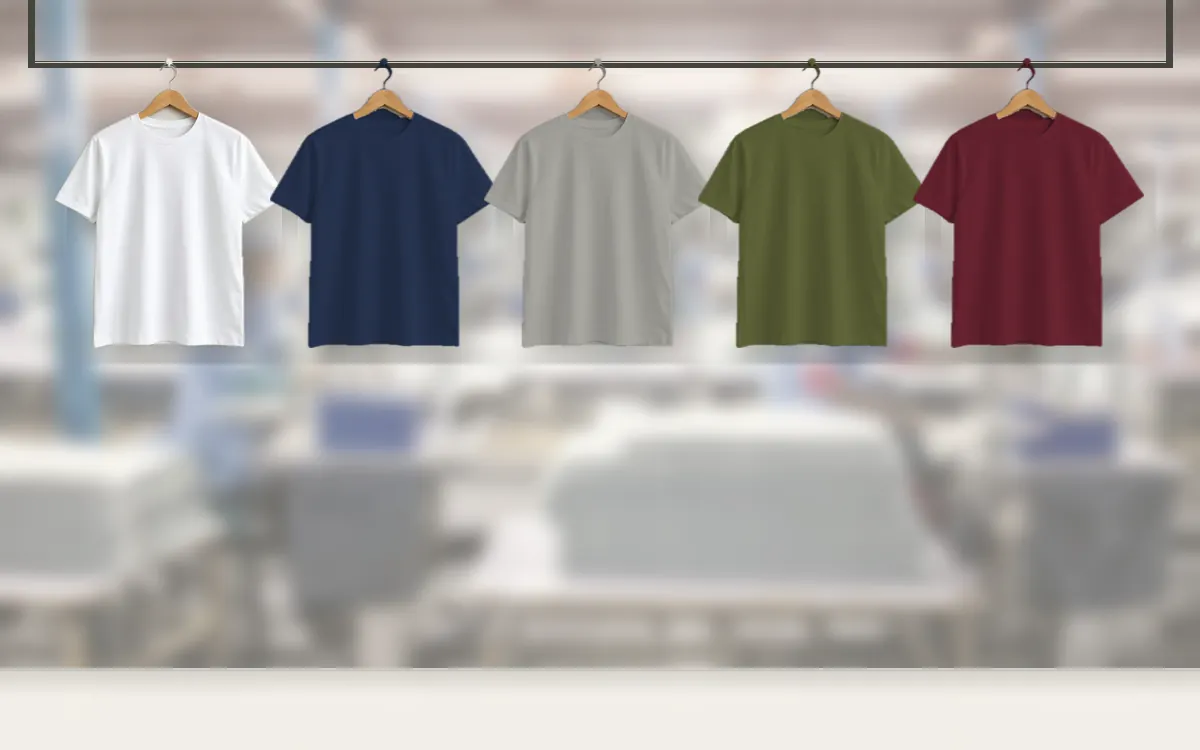
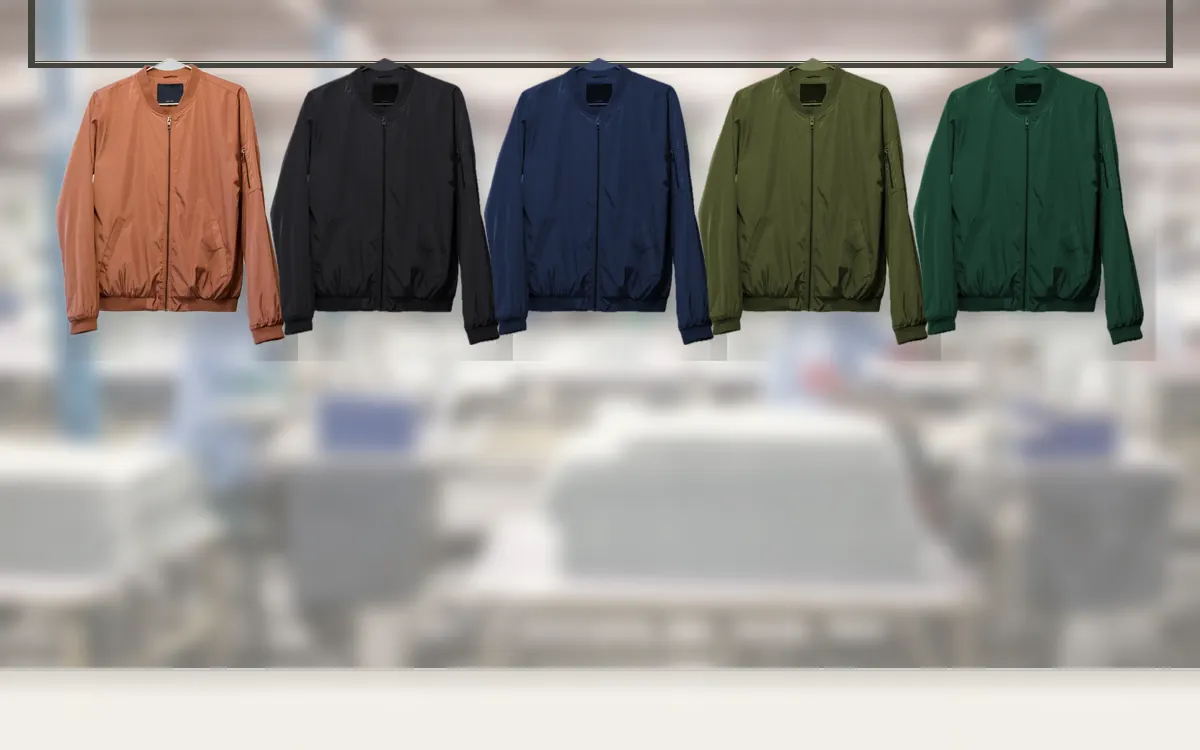
GoodBiz Apparels supplies importers, wholesalers and retailers in East, West and Southern Africa with men's and kids' knits, woven garments and jackets made in India through our partner factories. Rules differ sharply by country. Kenya, Tanzania and Uganda inspect before shipment, Nigeria uses SONCAP and Form M, and South Africa checks clothing labels at the border.
East Africa: inspection before shipment
- Kenya: KEBS requires a Pre-Export Verification of Conformity (PVoC) Certificate of Conformity, issued before shipment, for consignments of regulated products. The importer requests it from a KEBS-appointed contractor.
- Tanzania: TBS runs its own PVoC programme, and the certificate is checked in the TBS system before clearance. See TBS import inspection.
- Uganda: UNBS applies PVoC to products covered by compulsory Uganda standards, with applications through the Uganda Electronic Single Window.
Textiles and clothing are typically in scope, but confirm your HS codes with the appointed contractor. The inspector checks the goods in India before loading, so we build inspection into the shipping date.
Nigeria: prohibition list, Form M and SONCAP
Nigeria's import prohibition list has covered textile fabrics and articles made from them, and the list has been revised. Check the current Nigeria Customs Service list for your exact HS codes before you order. For SON-regulated goods, SONCAP applies: a Product Certificate is needed to process Form M through your bank, and a SONCAP Certificate is issued to the importer for clearance. SON's published exemptions do not list clothing.
South Africa: labels checked at the border
Under the Consumer Protection Act regulations, imported clothing must carry a trade description naming the country where it was made. It must also meet South African national standards for fibre content and care labelling. The National Consumer Commission works with SARS to stop non-compliant clothing at the border. We print 'Made in India' on every label.
Duty
India has no free trade agreement with these markets, so each country's normal tariff applies. Kenya, Tanzania and Uganda use the East African Community Common External Tariff. South Africa uses the SACU tariff, and Nigeria the ECOWAS Common External Tariff. Your clearing agent confirms the rate and any import levies for your HS code.
Mixed containers, ports and transit
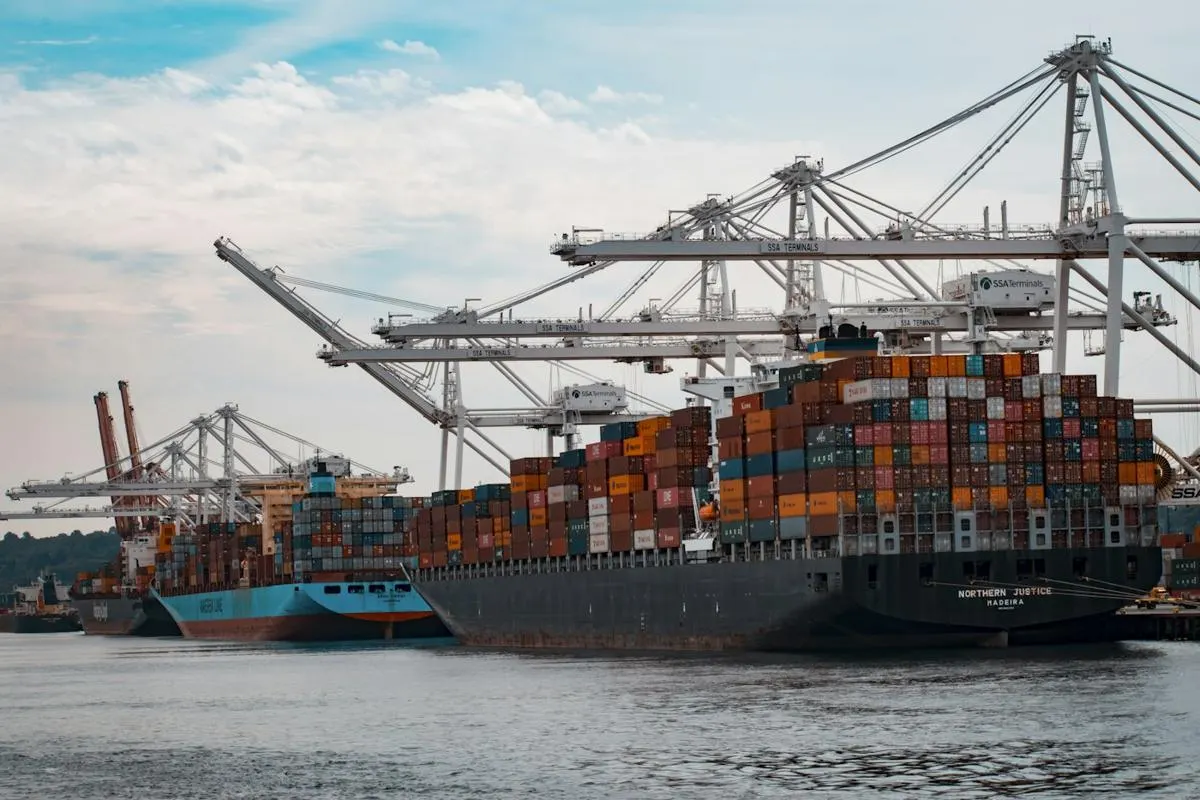
Wholesale buyers often combine many styles in one container. Ready stock and made to order lines can share a shipment, with the HSN code for each line on the invoice and packing list. We ship from Nhava Sheva (JNPT), Mundra, Chennai or Tuticorin to Mombasa, Dar es Salaam, Durban or Lagos. Sea transit is typically about 2 to 4 weeks to East African ports, and longer to Durban and Lagos. Cargo for Uganda usually moves inland from Mombasa or Dar es Salaam.
What to send us
- The destination country and your importer's details
- Kenya, Tanzania or Uganda: your PVoC request reference and contractor
- Nigeria: your Form M details and confirmation that your HS codes are permitted
- South Africa: your exact fibre and care label text
- HS codes from your clearing agent, plus consignee and notify party
Sources and official links
- TBS Tanzania: imports and export control
- SON: SONCAP FAQ
- National Consumer Commission (South Africa): import labelling
- Nigeria Customs Service
Reviewed 2026-11-08. General guidance, not legal or customs advice. Rules change; confirm current requirements with your customs broker.
What we ship to Africa.

Who applies for the PVoC certificate for Kenya?
The importer submits the request for certification to a KEBS-appointed PVoC contractor. The contractor inspects the goods in India before shipment. We make the goods and documents available to the inspector.
Are garments allowed into Nigeria?
Nigeria's import prohibition list has covered textile fabrics and articles made from them, and the list changes. Check the current Nigeria Customs Service list for your HS codes before ordering. Where the goods are permitted, SONCAP and Form M apply.
What must a clothing label show for South Africa?
The country where the garment was made, plus fibre content and care instructions that meet South African national standards. Non-compliant clothing can be stopped at the border, so send us your exact label text before production.
Sourcing for Africa?
One question at a time. Skip anything you are not sure of; we confirm every detail in writing before a sample or dispatch.
We reply within 24 hours, Monday to Saturday.
Prefer to talk directly?
Chat on WhatsApp+91 88847 99369 Emailclothing@goodbizglobal.com Call+91 88847 99369